Challenge
In collaboration with the Norwegian Ombud for Children, Verian has developed and carried out the Children’s Barometer 2026: analysing the results and contributing to reporting and dissemination. The study monitored the safeguarding of children’s rights, in particular the right to be heard and to have influence on all decisions that affect them. Verian conducted the Children’s Barometer for the first time in 2025.
The Children’s Barometer provides an up-to-date picture of how young people experience preparedness, risk and safety. The insight can support public authorities, municipalities and other stakeholders in developing preparedness measures that better reflect young people’s needs. It also shows how young people can be included as active partners in strengthening society’s preparedness.
The Children’s Barometer 2026 shows that many young people are concerned about war, pandemics and economic uncertainty. At the same time, they want to contribute to preparedness planning if a crisis occurs.
Approach
The Children’s Barometer 2026 is a national study of young people’s attitudes to preparedness and crises. It is based on 1,534 interviews with ninth-grade pupils conducted in spring 2026. The survey was conducted online and distributed by email to a random sample of parents with children born in 2011. Parents were first asked to complete a small number of background questions before forwarding the survey link to their child, who completed the remainder of the questionnaire.
Prior to the web survey, qualitative research was conducted with young people through school visits and meetings with youth councils. This helped provide a deeper understanding of how young people think about preparedness and the experiences they draw on when reflecting on potential crises. These insights were used to ensure that the questionnaire was designed in a way that reflected young people’s perspectives and language.
Findings
Crises are part of young people’s reality
The Children’s Barometer 2026 shows that seven in ten young people are concerned that a crisis situation may arise. War and unrest, pandemics and economic challenges are among the issues that concern them most.
At the same time, their concern is not only about the crisis itself. Many young people describe uncertainty about what would happen to school, friends, leisure activities and everyday routines if a crisis were to occur.
Information builds confidence
One of the clearest findings from the study is the need for better information. More than half of young people believe that children and young people receive too little information about how they can prepare for a crisis.
Young people are asking for information that is understandable, relevant and adapted to their situation. They want it to come from sources they can trust, and seven in ten would like to receive information directly on their mobile phones through emergency alerts.
Trusted adults matter most
The findings also underline the importance of relationships in a crisis. Family, friends and other trusted adults are described as central sources of support, reassurance and stability when everyday life becomes unpredictable.
Young people see themselves as a resource
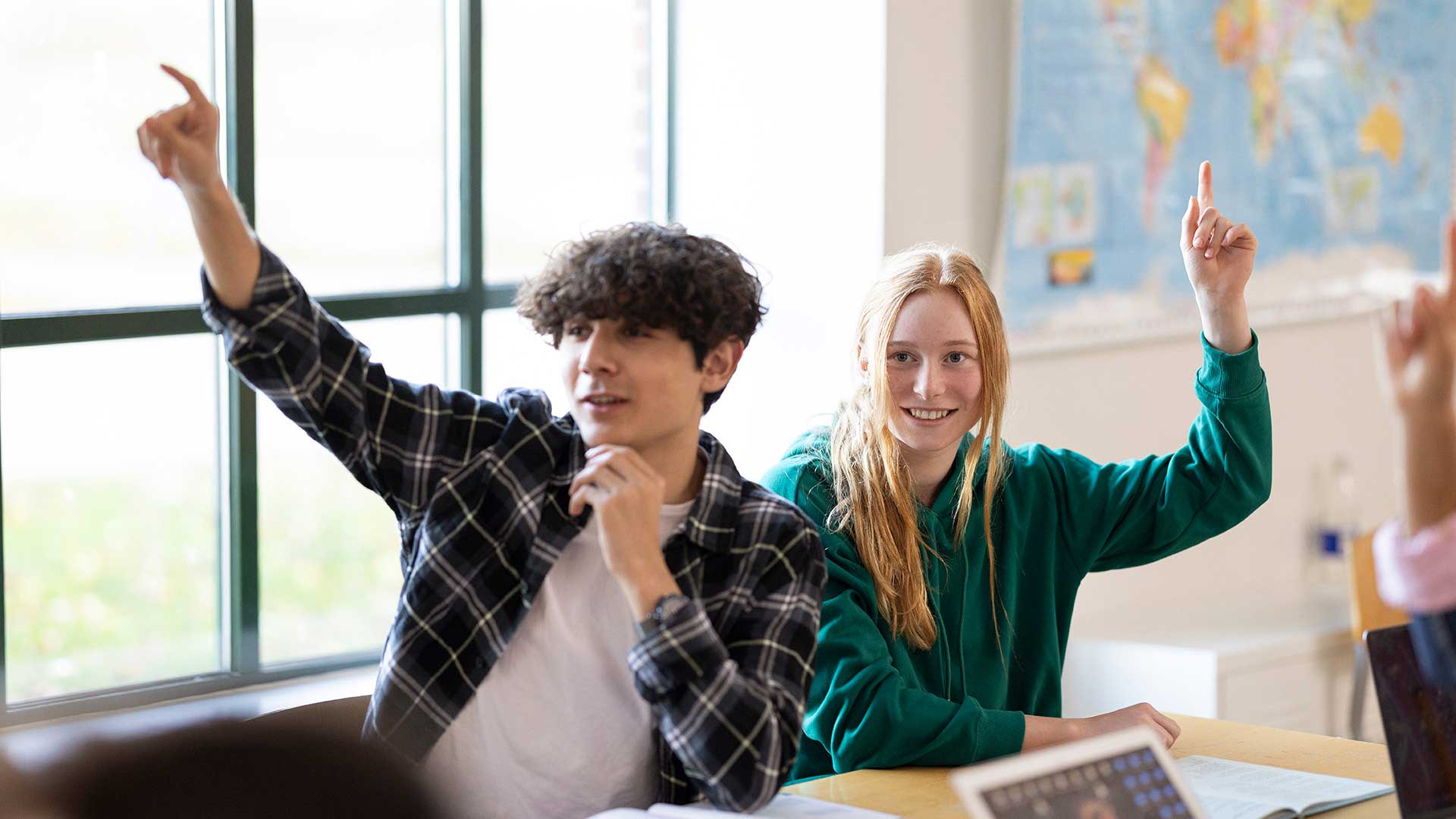
The findings challenge the assumption that young people are primarily recipients of help in crises. Young people want to be heard when preparedness is planned, and to play an active role if a crisis occurs. Many describe how they can contribute among friends and in their local communities, through practical help, care and support for others.


 Back
Back